

You believe the world can be a better place.
You want to make a difference, but you need the knowledge and tools to take action in your counseling practice. Foundations of Social Justice in Counseling is a nine-session live virtual course designed to equip mental health professionals with the concepts, frameworks, and practical strategies needed to integrate social justice into their work.
About This Course
COURSE COST: One Payment of $2500.00 or Two Payments of $1250.00
Registration Ends: TBA
The Foundations of Social Justice in Counseling course is a comprehensive nine-session continuing education program designed to support counselors in building a liberatory, equity-centered counseling practice. Rooted in self-awareness, ethical responsibility, and systemic change, this experiential training equips participants to critically examine systems of power and oppression while developing strategies to promote justice in clinical and community settings. Through lectures, case studies, systems mapping, and small-group dialogue, counselors explore identity, intersectionality, liberatory ethics, and sustainable advocacy. The course emphasizes the development of personal and professional action plans and prepares clinicians to engage with clients and institutions in culturally responsive, trauma-informed, and socially just ways.
Program Details
-
Format: Live Online Sessions (Zoom)
-
Schedule: 9 sessions, 3 hours each, once a week. (Full schedule provided upon registration)
-
Cost: $2,500
-
Registration Deadline: TBA
-
CE Credit: Liberation Pathways is seeking approval to offer this for continuing education credit. Please check back for updates.
Learning Outcomes
Upon completion of this course, participants will be able to:
-
Analyze how systems of power, privilege, and oppression operate at individual, institutional, cultural, and systemic levels—and how these dynamics influence client well-being, clinical decision-making, and access to care.
-
Evaluate their own social identities, personal values, and professional responsibilities in relation to equity, bias, and cultural humility within the counseling process.
-
Apply social justice, intersectionality, and liberation frameworks in counseling to support client empowerment, community resilience, and trauma-informed advocacy.
-
Differentiate between performative and authentic allyship, and develop sustainable strategies for engaging in ethical advocacy and long-term systemic change.
-
Design a Justice-Oriented Counseling Framework and Personal Social Justice Action Plan that integrates culturally responsive practices, self-reflection, and professional accountability across counseling settings.
Meet Your Facilitators
Dr. Tee Williams
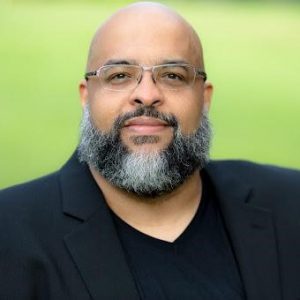
Dr. Tee Williams is an educator, facilitator and consultant with 25+ years of experience in adult learning and educational transformation. He helps counselors, leaders and their organizations build equity-centered cultures and practices through trainings on leadership, power, identity, and systemic change. Known for his blend of critical theory and practical tools, Dr. Williams creates transformative learning spaces rooted in reflection, accountability, and justice.
Amy Hoag, LPC, NCC

Amy Hoag, LPC, NCC is a therapist, consultant, and certified IFS practitioner with extensive experience in community mental health and private practice. She integrates Internal Family Systems, somatic therapies, and social justice principles to support healing across the dissociative spectrum. Amy provides training and consultation on eating disorders, complex trauma, and equity-centered care for clinicians and organizations.
Here are Some of the Benefits of this Course:
Apply Equity Frameworks in Real Clinical Settings
Gain practical tools to implement social justice principles in therapy, ensuring your approach aligns with ethical standards and supports equitable outcomes for all clients.
Deepen Self-Awareness to Enhance Client Care
Explore how your values, identities, and biases influence the counseling relationship to foster greater empathy, authenticity, and effectiveness in your clinical work.
Strengthen Culturally Responsive Counseling Practices.
Learn strategies to tailor your approach to diverse client needs, building trust and promoting healing through culturally affirming, trauma-informed, and Liberation-focused care.
Course Overview
Session One: Course Overview & Personal Values – In this session, we will introduce ourselves, develop ground rules, and set the foundations and expectations for the rest of the course. We will also explore how personal values, ethics, and counselor identity shape social justice work in clinical settings.
Session Two: Social Identity, Social Power, and Intersectionality in the Counseling Context – We will examine how intersecting identities, privilege, and power influence both counselor and client experiences, impacting therapeutic relationships and mental health outcomes.
Session Three: Social Justice Frameworks in Counseling – Explore key Social Justice and Liberation frameworks, learning how to apply them to counseling theory, client advocacy, and systemic change efforts.
Session Four: Enacting Liberation in Counseling Settings – Discover how to integrate liberatory principles like joy, healing, and empowerment into clinical work, while addressing systemic barriers and promoting client agency.
Session Five: Visioning and Liberatory Consciousness: Practical Tools for Counselors – Learn how visioning and liberatory consciousness can guide ethical decision-making, professional growth, and social justice practice in counseling.
Session Six: Understanding Oppression as a System (Part 1) – Unpack the foundational elements of oppression at the individual level, including implicit bias, microaggressions, and internalized beliefs that impact client care.
Session Seven: Understanding Oppression as a System (Part 2) – Build on the previous session by analyzing systemic, institutional, and cultural oppression, and identifying opportunities for advocacy and transformation within mental health systems.
Session Eight: Allyship, Advocacy, & Sustainable Action – Develop strategies for authentic allyship and long-term advocacy that align with ethical practice, client empowerment, and social justice principles.
Session Nine: Integration, Action Planning & Action Planning – Finally, we will bring it all together by designing a personal and professional action plan to embed social justice into your counseling work and wider influence.
Frequently Asked Questions
Who is this course for? This course is for anyone that is interested in learning more about Social Justice! The material covered in the course are suitable for beginning, intermediate or advanced levels of knowledge.
When do we meet? Class meets Once a week. The day and date for this section of Foundations has not yet been chosen.
How long are our meetings? Our Class meetings usually go for 3 hours.
How do we meet? We meet online via video/audio conference. In order to participate in video conferencing, you’ll need an data connection and a computer or cell phone with a working camera. If you’d like to participate via audio only, you may call in to the audio line. If it helpful to have headphones available during video conferencing to avoid disruptive audio feedback.
What happens if I can’t make a meeting date? All of our meetings are recorded and kept of file for up to one month. At the conclusion of each metting, a link to that day’s session is posted in our private Facebook group. If you miss a day, you’ll have access to the recording to get caught up!
Are there assignments and readings? The course is designed so that you’ll get what you need from the class sessions alone. There are additional assignments and readings are supplementary, but these are optional, not mandatory.
Is the work load manageable? We understand that everyone leads busy lives. As mentioned previously, the course is designed so that you can
Frequently Asked Questions
Supervisors and clinical mental health providers with the following licenses: LPCs, LPC Associates, LMFT, LMFT Associates, LCSWs, LCSW Associates (LCSWA), psychologists.
Class meets once a week on Saturdays for nine consecutive weeks.
Our class meetings usually go for 3 hours, with a break somewhere near the middle.
All of our meetings are recorded and kept on file for thirty days. At the conclusion of each meeting, a link to that day’s session will be emailed to you. If you miss a day, you’ll have access to the recording to get caught up. However, missing a day will impact your CE credits.